
Alaskan Huskies
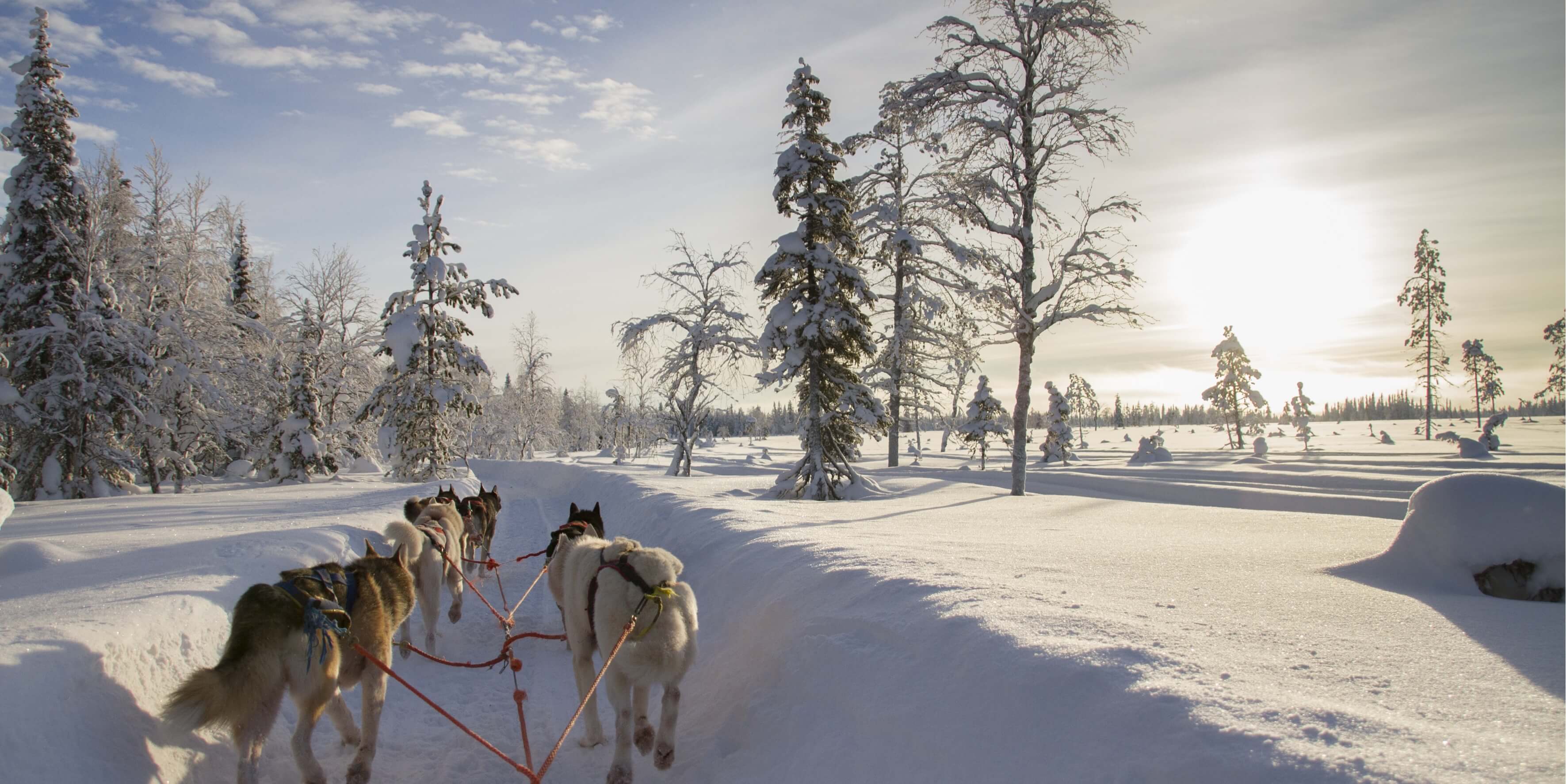
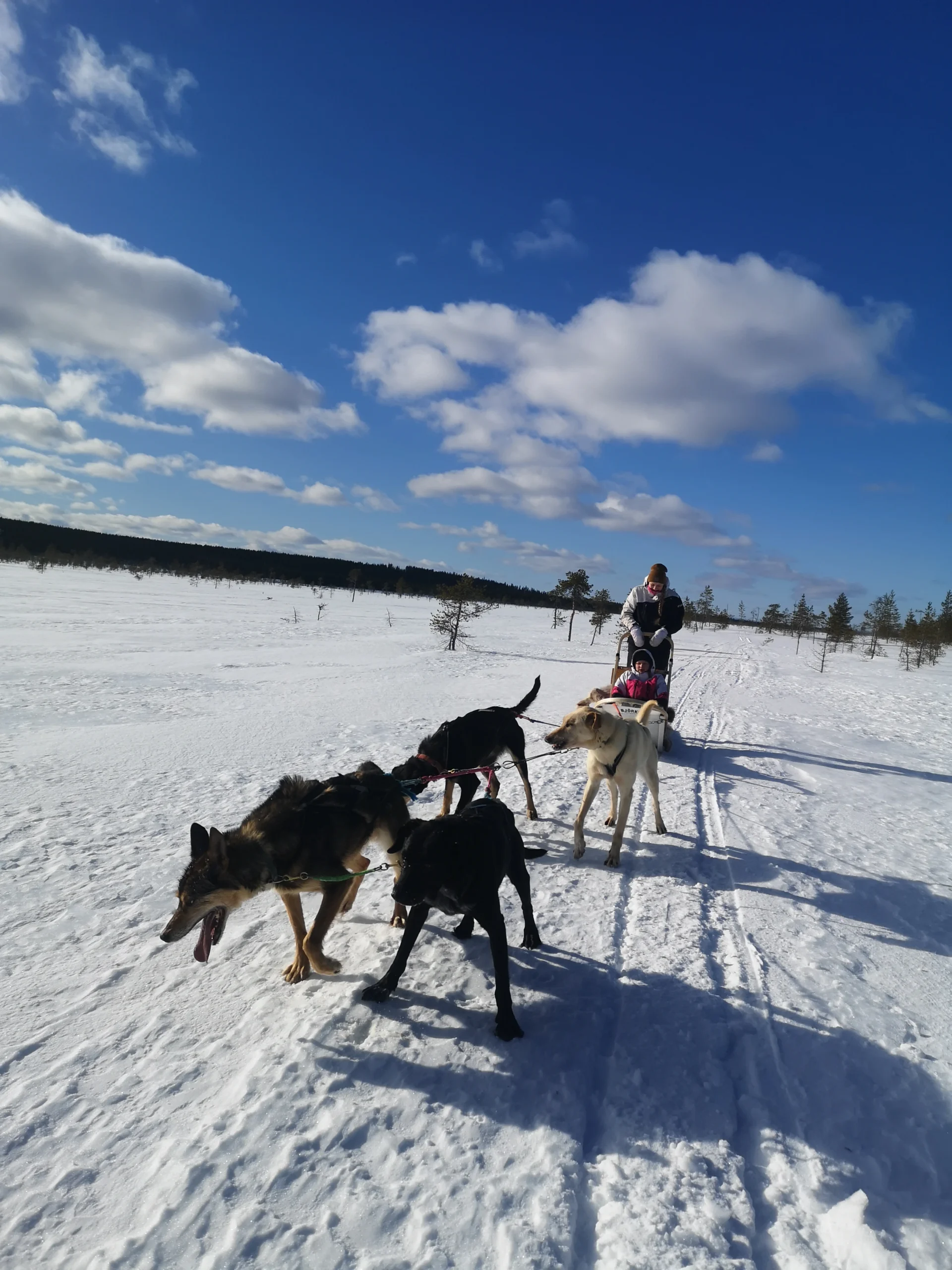
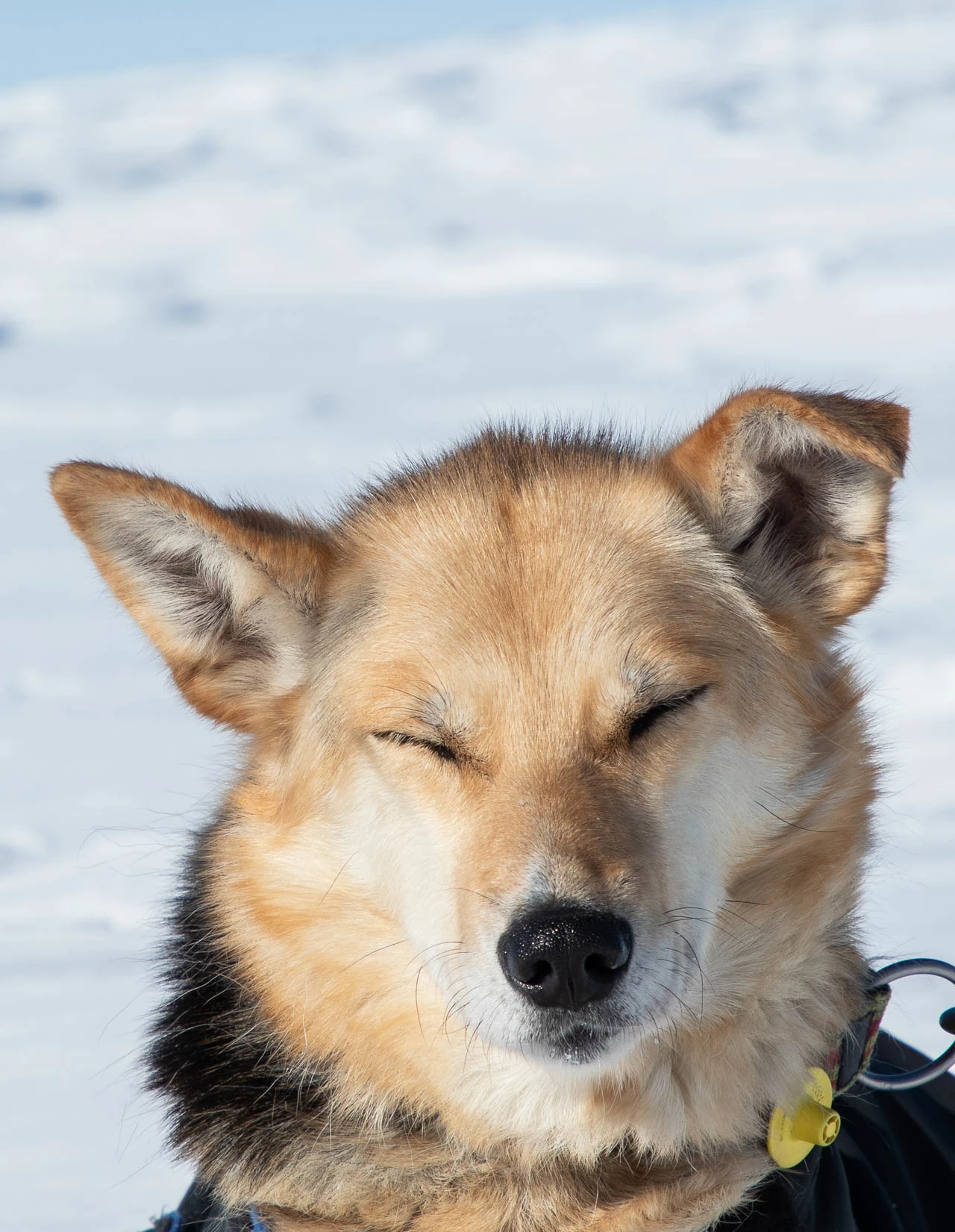
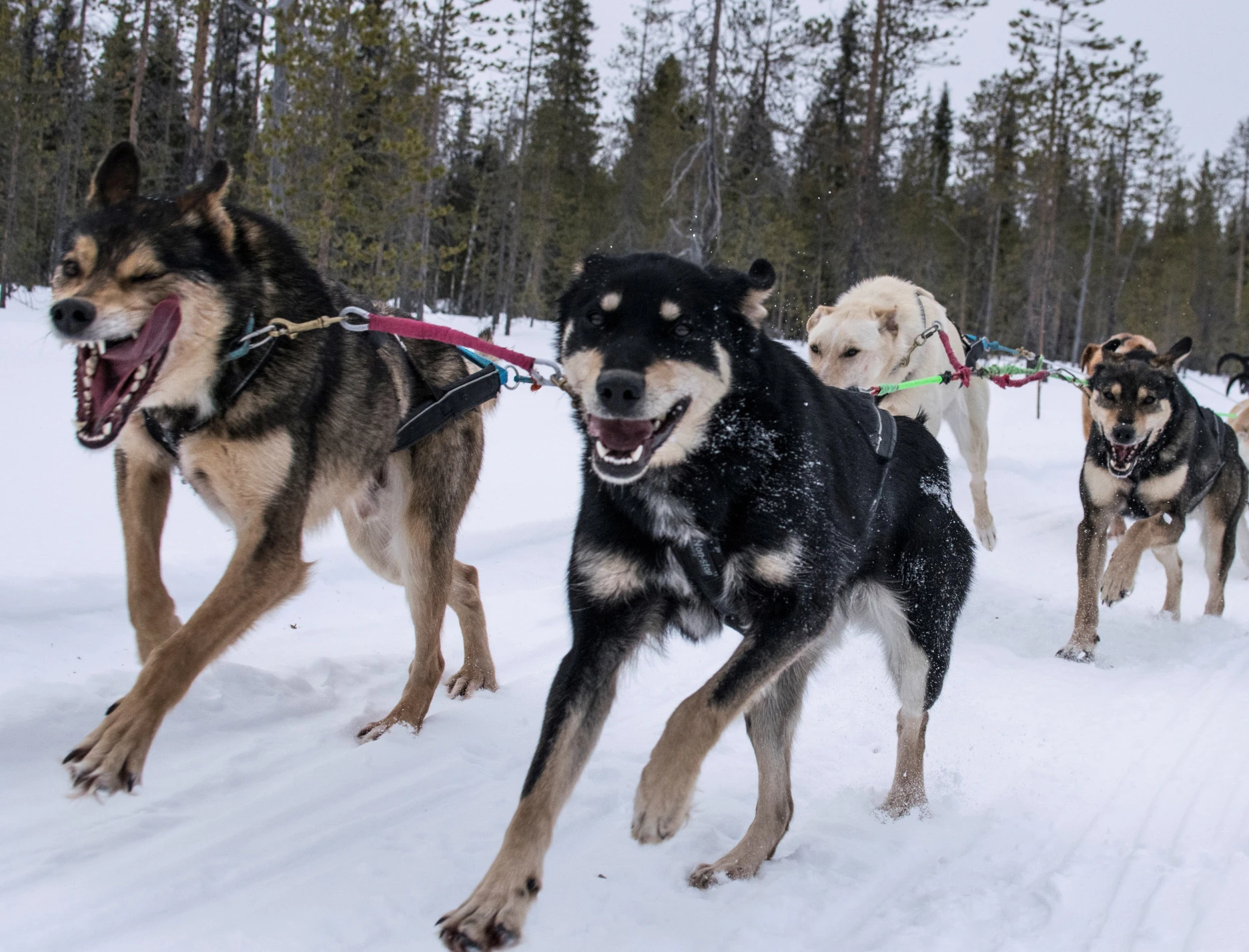
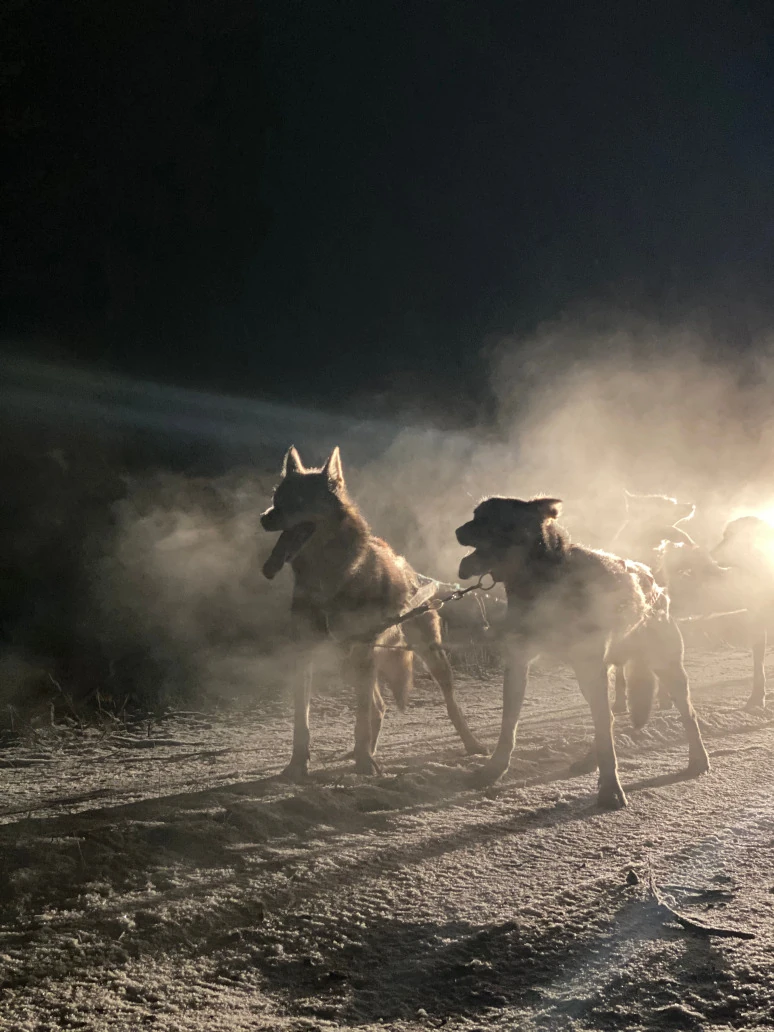
Our sled dog team currently consists of 32 Alaskan huskies. The Alaskan husky originally developed as a village dog used by Indigenous peoples and has been used for sled work for centuries. The breed has been shaped for long‑distance, endurance‑based work, and its dense coat allows it to cope with even the harshest weather conditions.
In addition to their physical abilities, Alaskan huskies are known for their active, social, and pack‑oriented nature, which makes them exceptional sled dogs and wonderful companions in a working team.
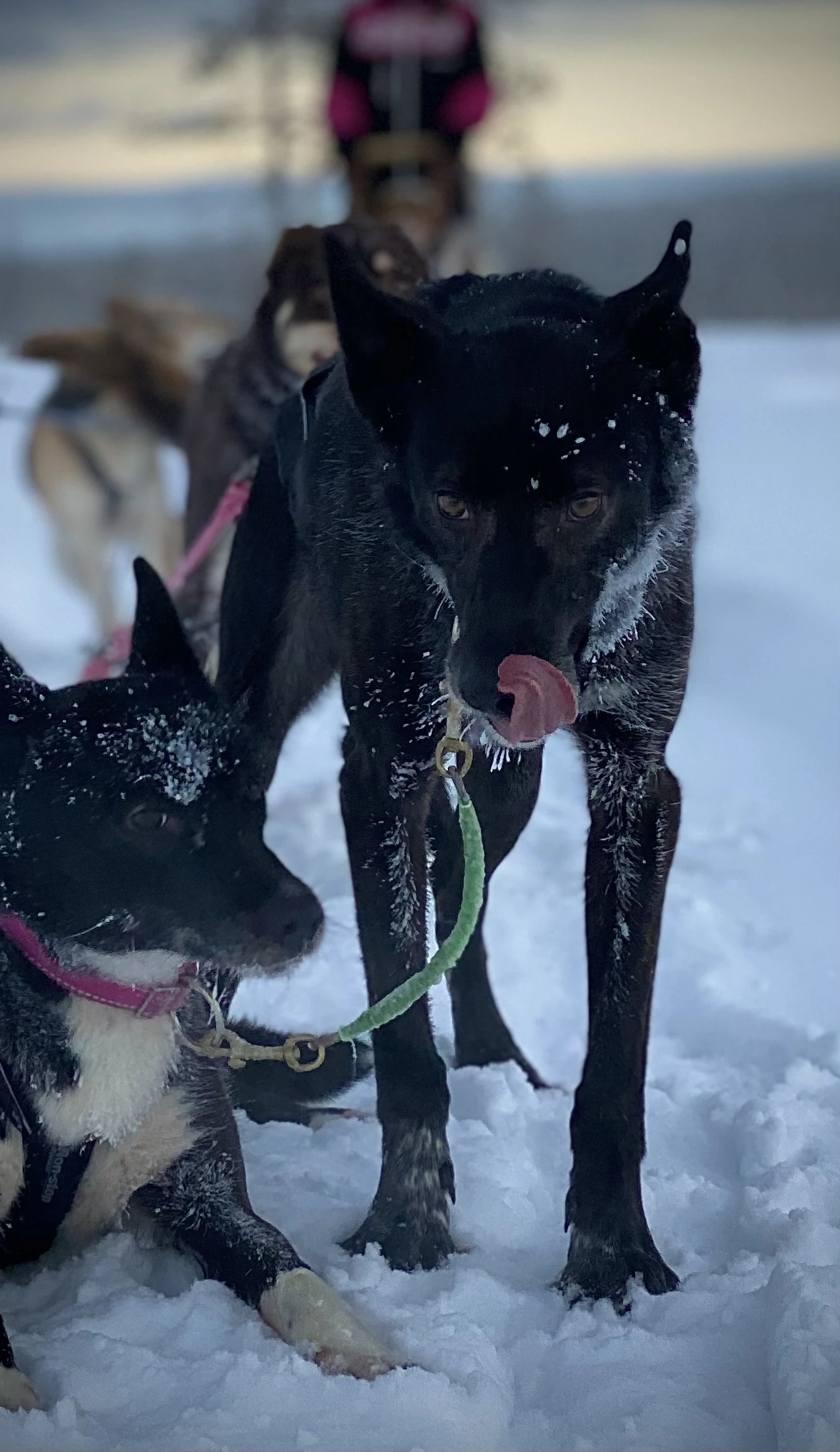
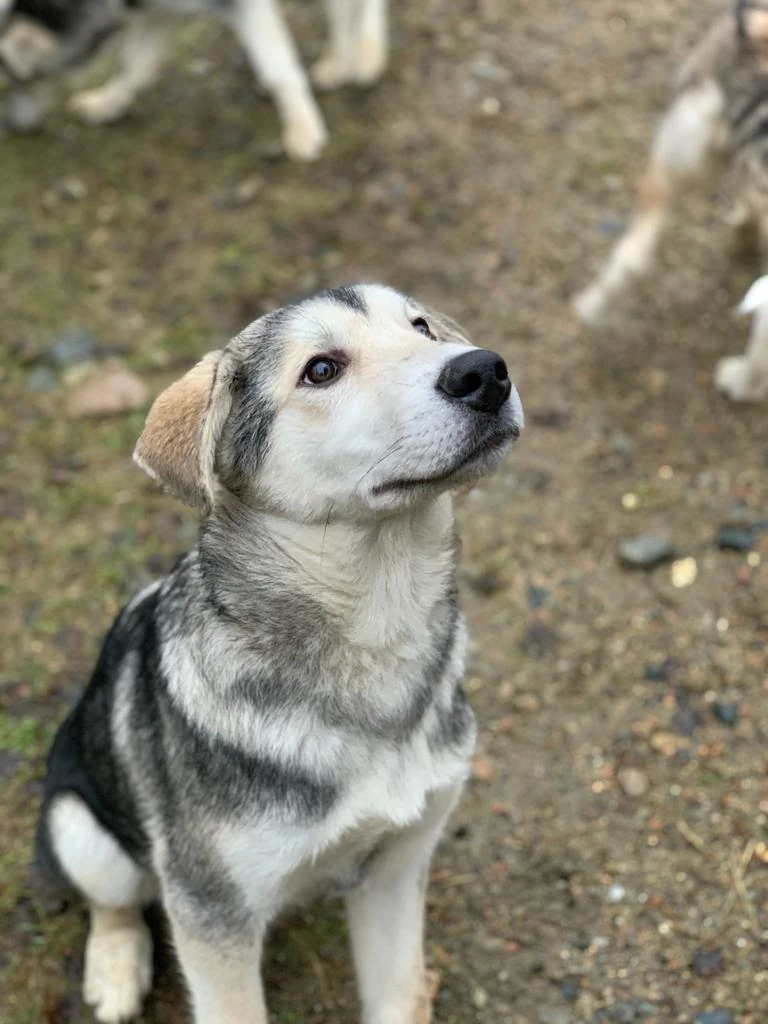
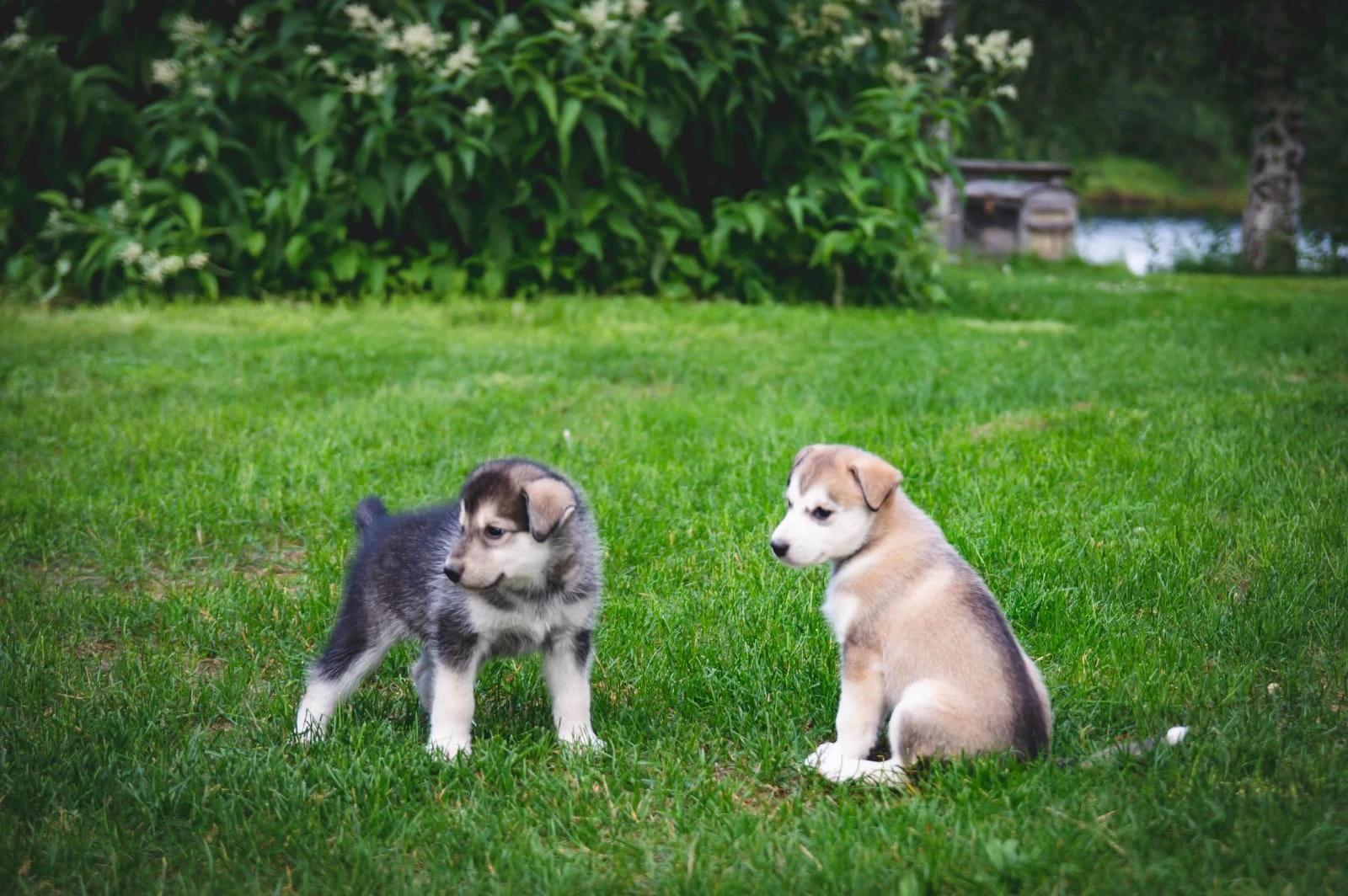
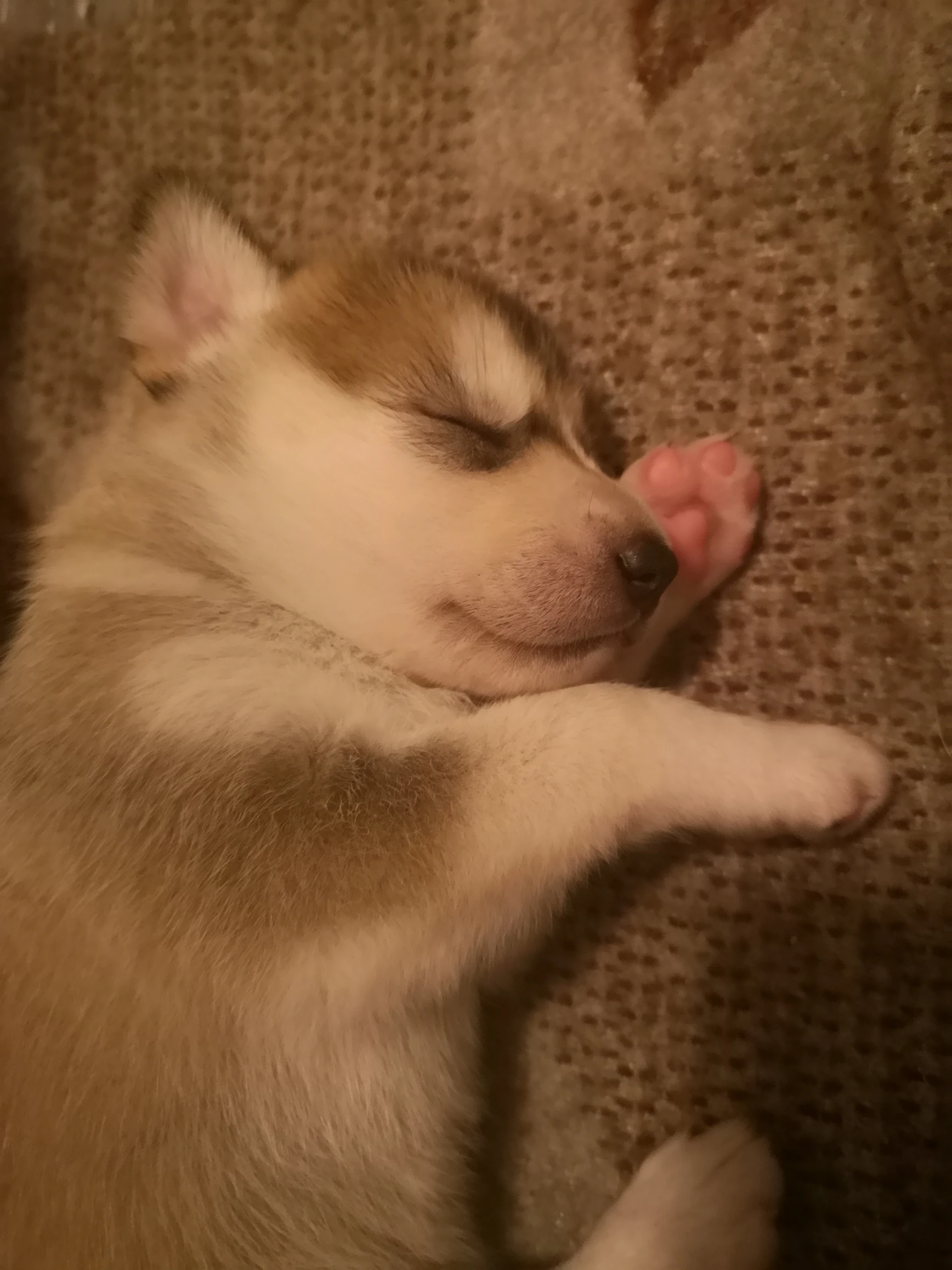
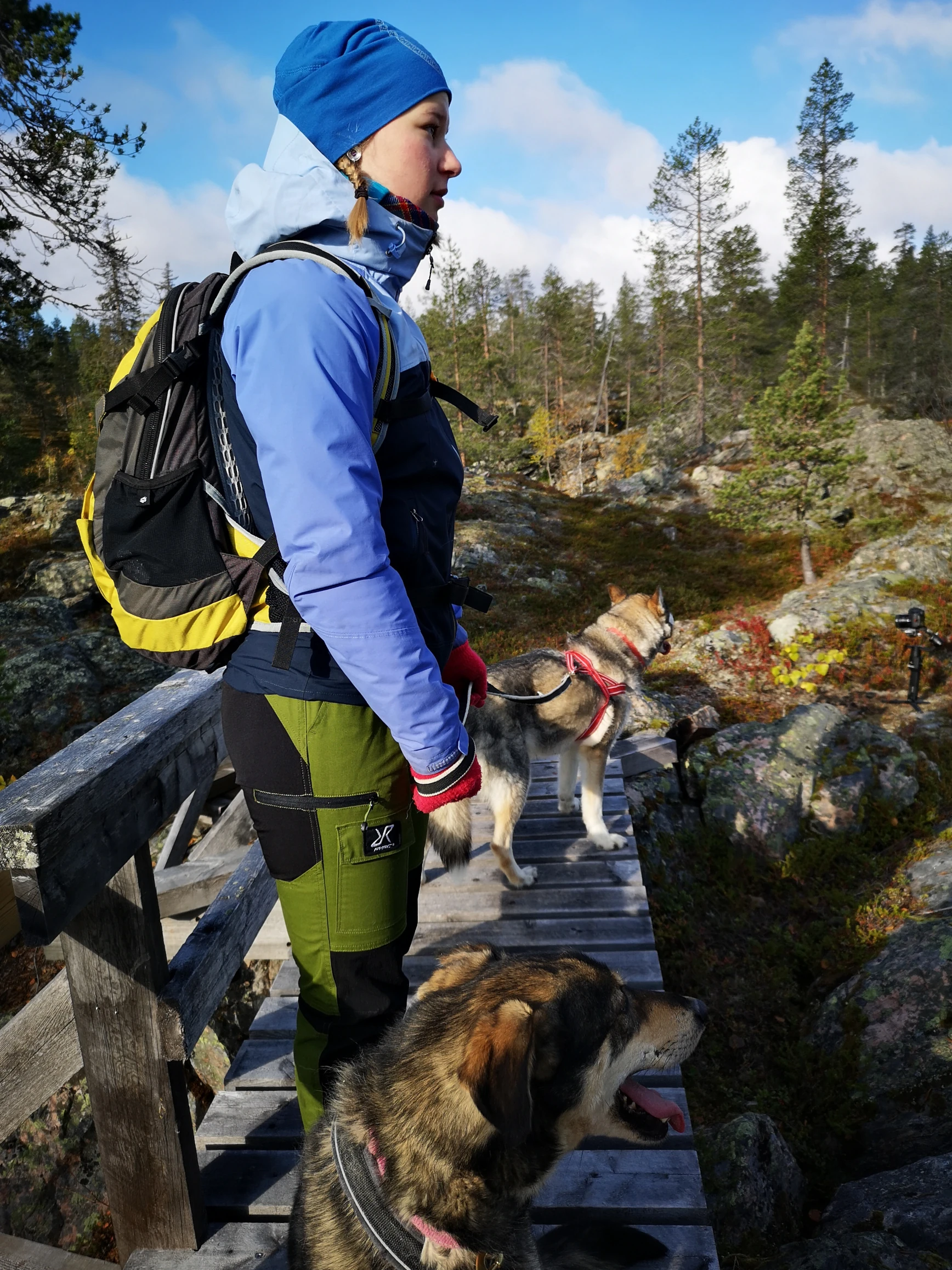
Breeding of Alaskan huskies focuses on health, durability, and performance. Appearance is secondary, which is why our dogs vary greatly in looks. Coat color, eye color, and fur length differ from dog to dog – something you will notice immediately when visiting our farm.
If you would like to learn more about Alaskan huskies, their background, and breeding principles, we recommend visiting the website of the Finnish Sled Dog Entrepreneurs Association.
Life on a Sled Dog Farm
There is a saying that when a reindeer is doing well, so is the reindeer herder – the same applies to dogs. The wellbeing of our dogs is truly at the heart of everything we do.
Our dog team is intentionally kept small, and we know every dog individually. This allows us to provide personalized care and make thoughtful decisions regarding kennel companions, training routines, and feeding. Each dog’s individual needs are always taken into account.
We aim to give our dogs a low‑stress, balanced life. This means suitable kennel companions, sufficient recovery time, and plenty of sleep. Even active working dogs need proper rest, which is why our dogs have two full rest days each week.
On our property, there are two fenced exercise areas where the dogs can run freely. We also offer varied activities in these areas, such as scent work, playtime, and training sessions. While sled work is an important part of their lives, our dogs also enjoy many other forms of mental and physical stimulation.
Sled dog activities require healthy, well‑cared‑for dogs and high‑quality equipment. We take care of our dogs by providing nutritious food, regular parasite control and vaccinations, and proper dental care. All of our dogs are microchipped and registered with the Finnish Food Authority.
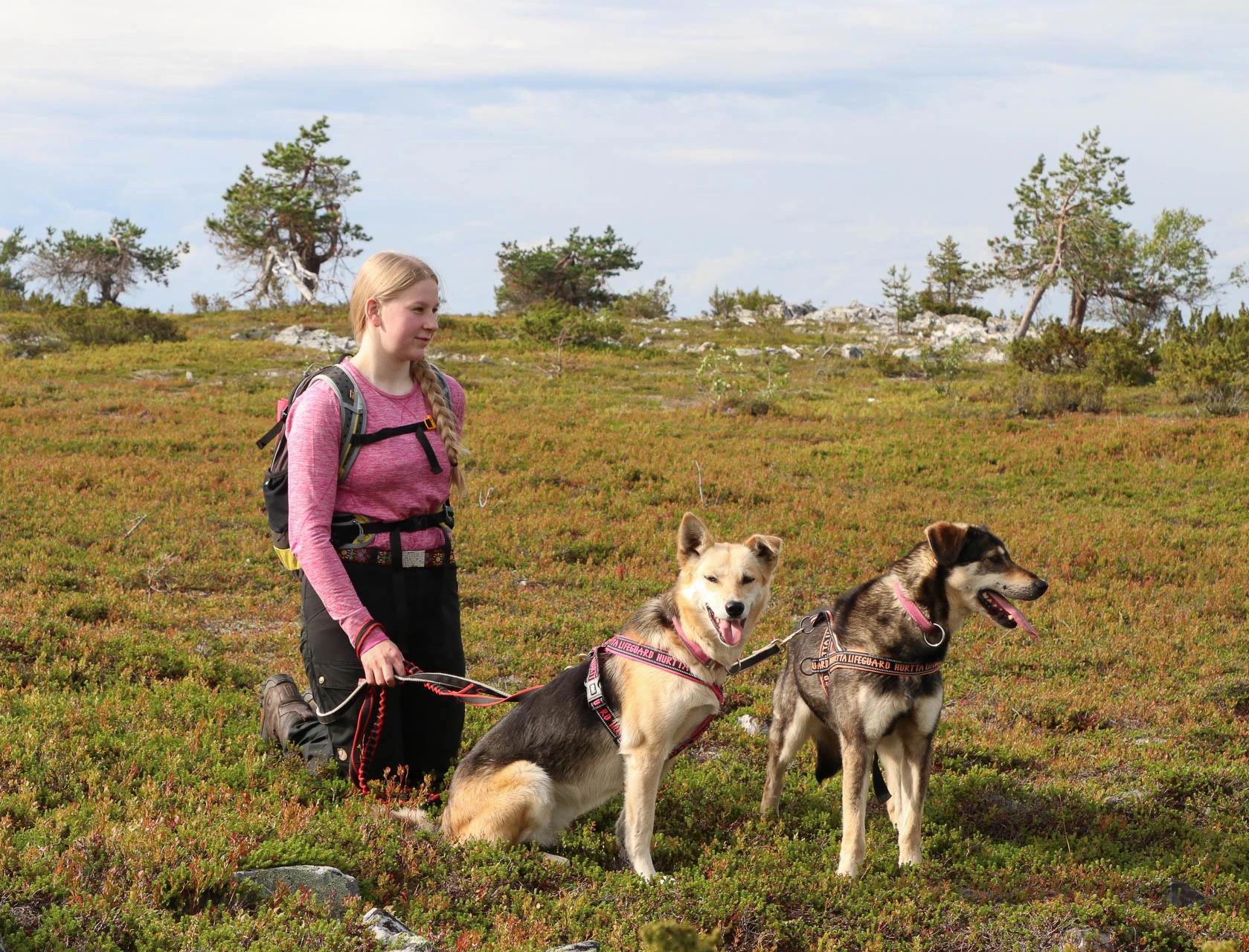
To ensure safe and comfortable working conditions for both dogs and people, we use durable, high‑quality equipment. Proper harnesses and tow lines are especially important in sled dog work. When needed, our dogs also wear coats and booties.
Would you like to hear more? Come and visit us. Our dogs are always eager to show you a piece of Lapland’s unique nature. You can learn more about our husky safaris here.
FAQ
No. Eye color is influenced by several genes. A dog may have brown eyes, blue eyes, two different‑colored eyes, or even eyes that are partly blue and partly brown.
Yes – and even their grandparents’ names, and further back as well.
During the working season, the dogs receive a meat soup in the morning (VOM meat mixed with warm water) and a snack between safaris, usually meat. In the afternoon they are fed dry food, meat, and water. We use various Happy Dog dry foods and Puhti. During training and working seasons, the dogs also receive salmon trimmings, and outside the season they are given bones from a local reindeer meat processor.
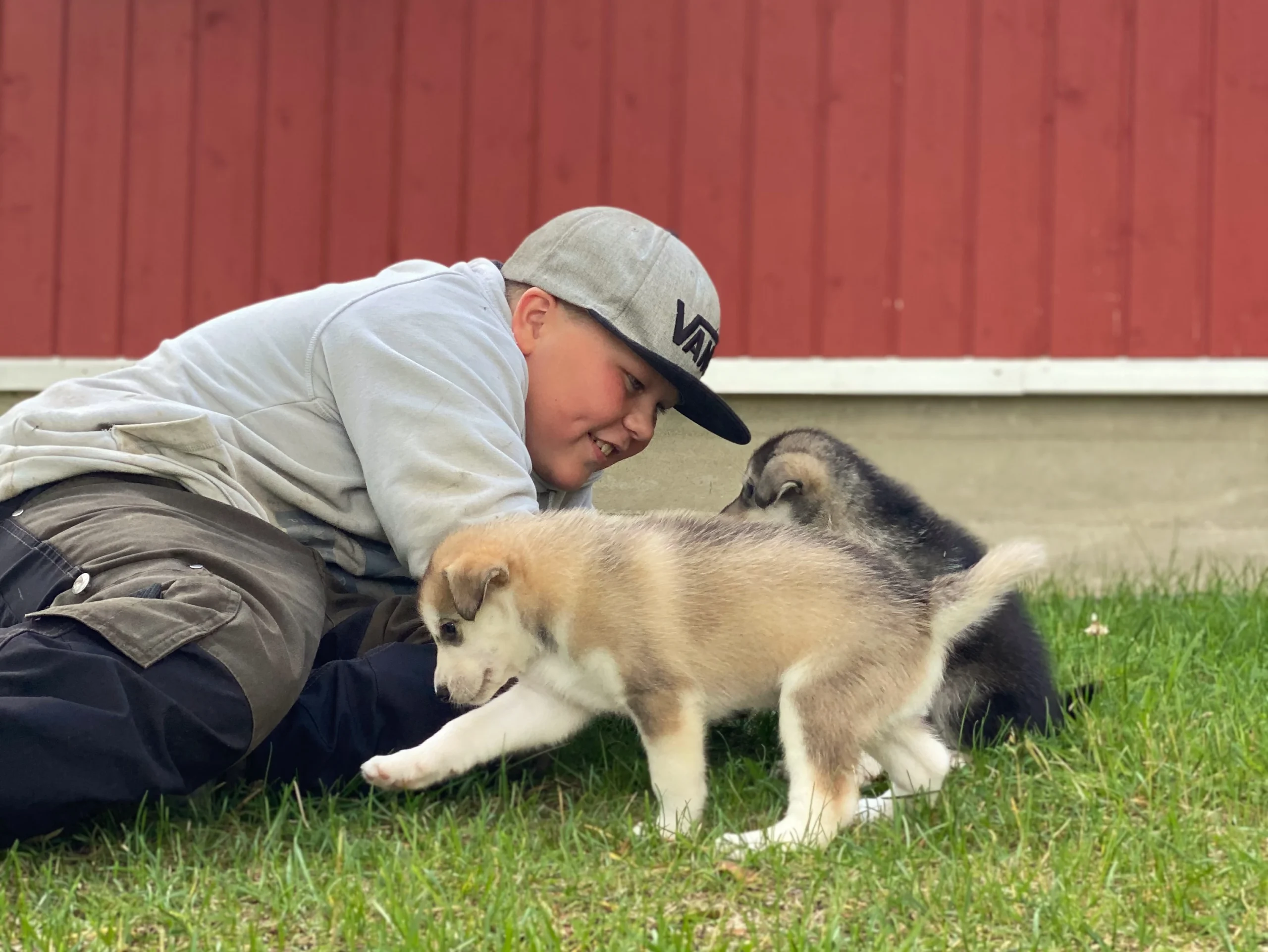
This varies by individual, but typically between 8–12 months of age. Heavier‑built dogs usually start later. The season in which the dog was born also matters. Dogs born in early summer may try pulling the following spring, while those born later in summer usually start during the next training season.
This is also individual. There is always suitable work available for each dog, and it is important that older dogs are also allowed to continue working at an appropriate level.